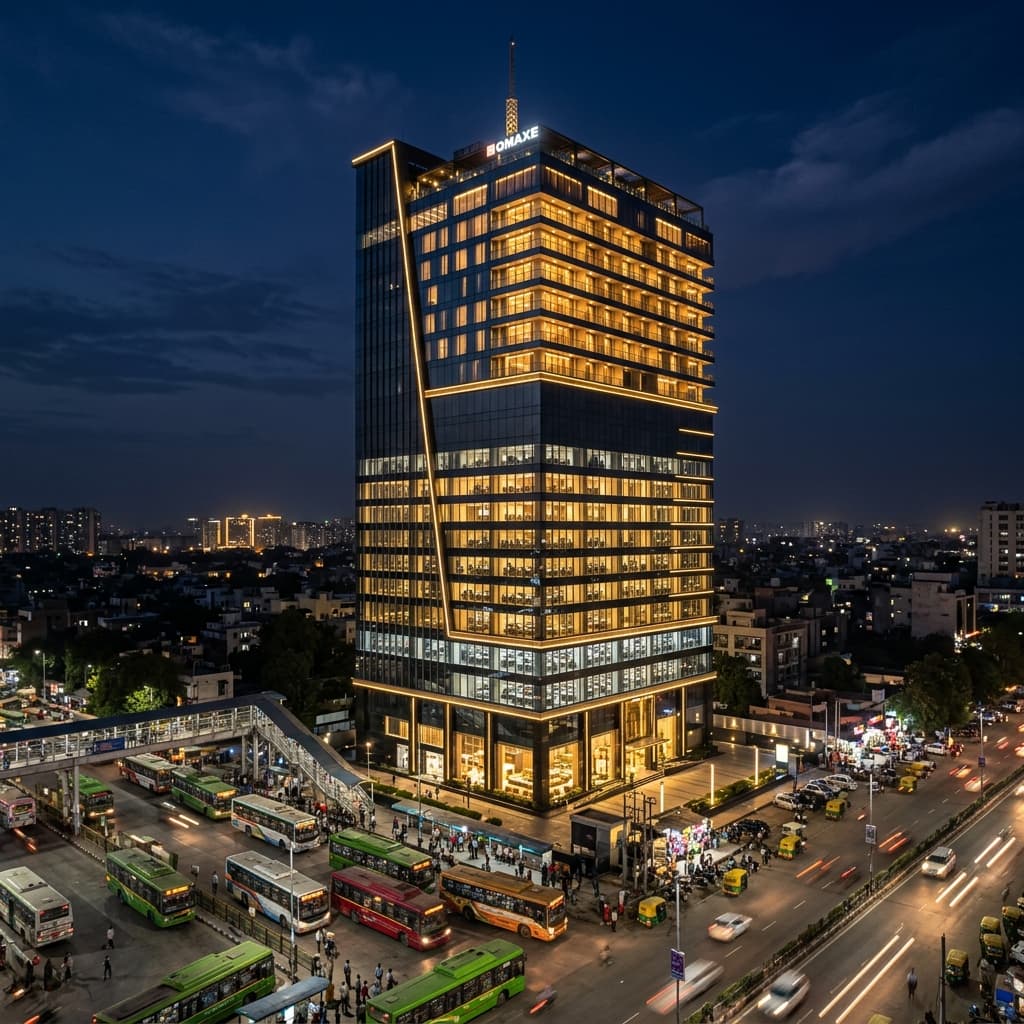
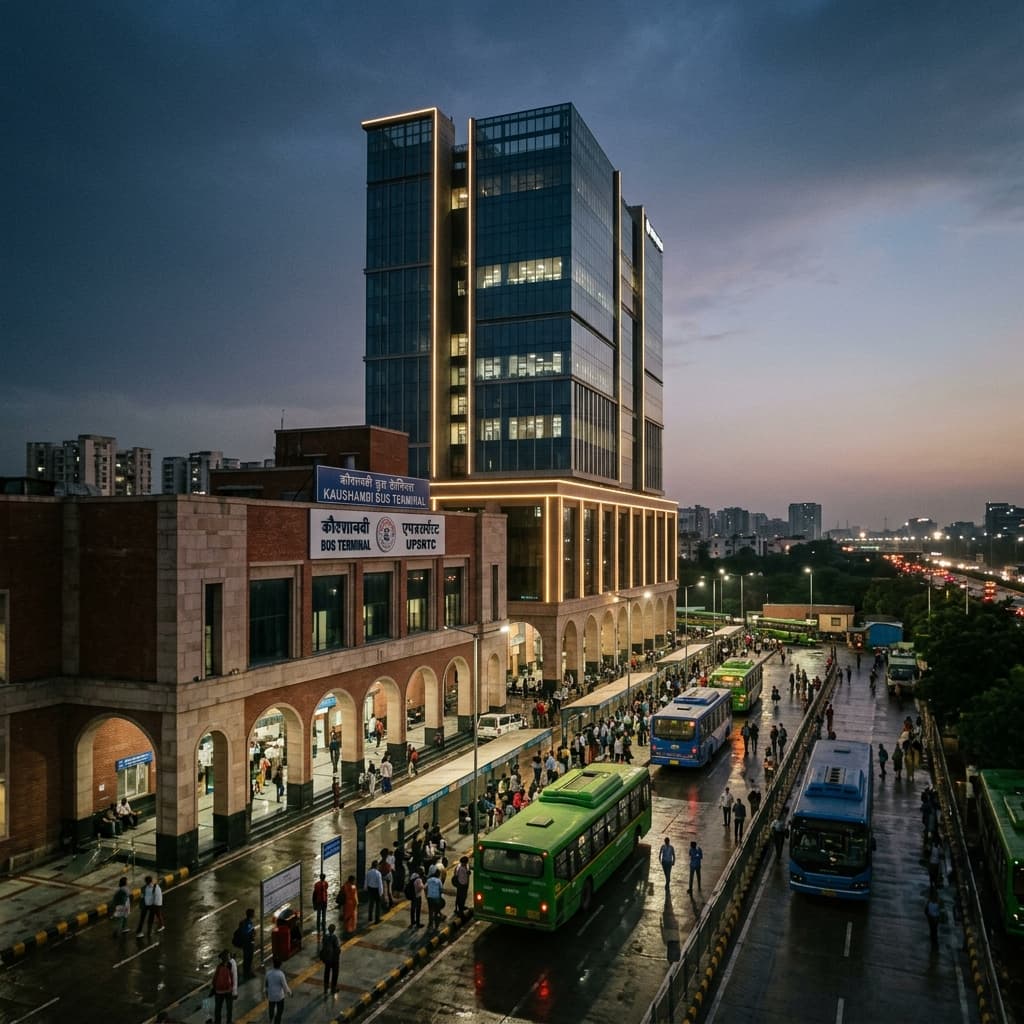
- 01The actual government counterparty is UPSRTC, not GDA — marketing material is inconsistent on this point.
- 02The developer entity is BeTogether, Omaxe Group's dedicated PPP brand — not Omaxe's residential arm.
- 03Original 2021 tender specified a 60-year concession; marketing claims of 90 years need written verification.
- 04PPP structure means the project is RERA-exempt — standard buyer protections don't automatically apply.
- 05Construction stall reported November 2025; verify current status before committing.
"PPP project" gets thrown around a lot in Kaushambi's marketing material like it's a single, simple thing. It isn't. And if you're putting real money into this, it's worth twenty minutes to understand what a Public-Private Partnership concession actually means — because it changes how you should think about risk, timelines, and who you'd actually be dealing with if something goes wrong.
For the price breakdown and unit comparison, see our companion piece: Omaxe Kaushambi Bus Stand Price List 2026.
Who's Really Behind This Project
Some marketing pages for this project credit "GDA x Omaxe," others say "Omaxe x UPSRTC." Only one of these is accurate. The Ghaziabad Development Authority (GDA) is a separate state planning body that handles housing and general urban development in Ghaziabad — it isn't the counterparty here. The actual government partner is UPSRTC, the Uttar Pradesh State Road Transport Corporation, which owns the bus terminal land and the transport operations running on it.
On the developer side, the entity that actually won this contract isn't quite "Omaxe" in the way you'd expect from their residential projects either. In March 2025, UPSRTC awarded a bus terminal modernisation contract worth roughly ₹2,700 crore across six terminals — Ghaziabad, Kaushambi, Prayagraj, Ayodhya, and two in Lucknow — to BeTogether, a dedicated PPP-focused brand under the Omaxe Group. So when you're told "Omaxe is developing this," it's more precise to say Omaxe's PPP arm holds the concession — worth knowing if you're matching brand reputation to who's actually accountable on paper.
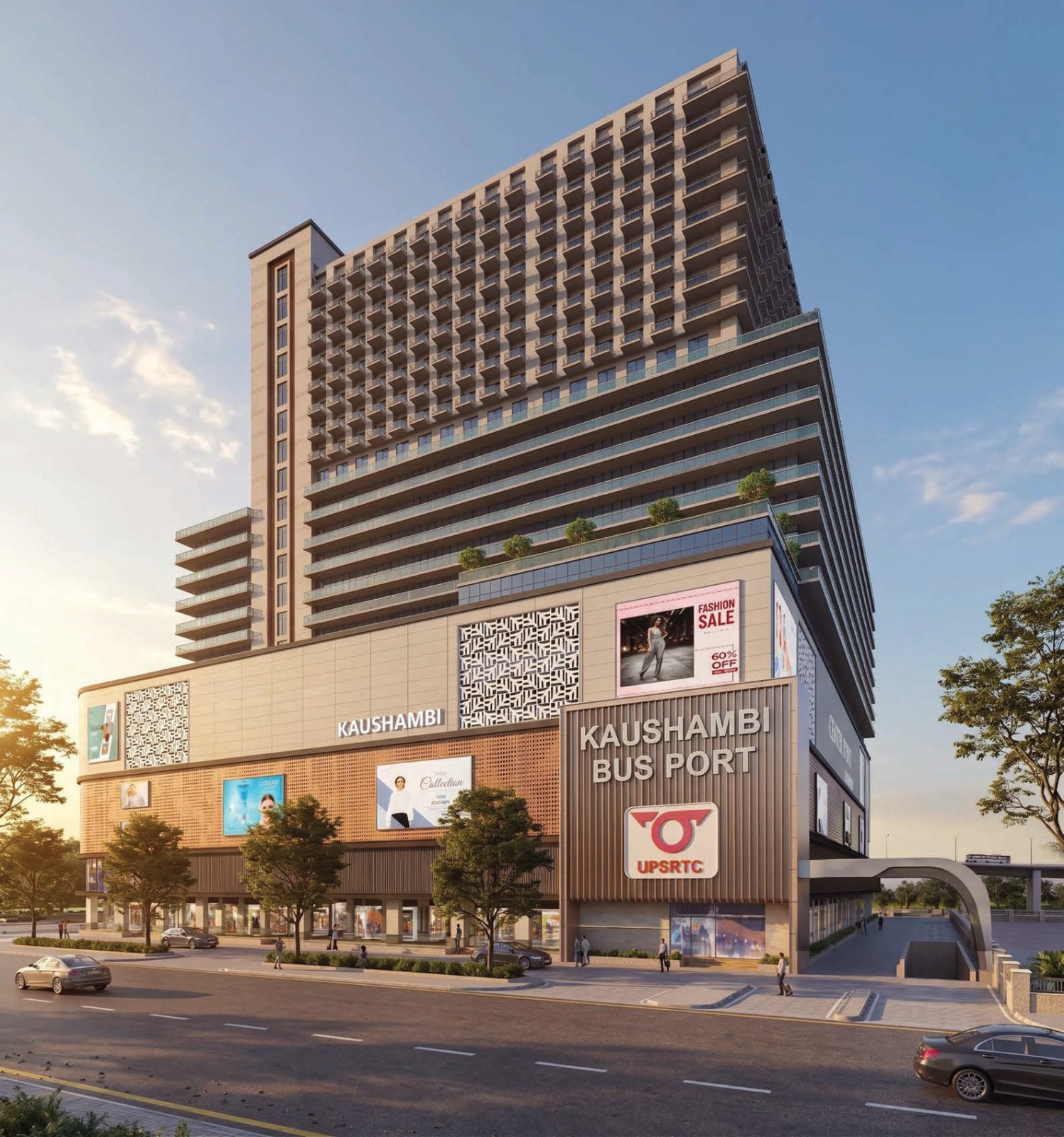
Watch: Omaxe Kaushambi UPSRTC PPP Project — a ground-level look at the development.
What a "Concession Period" Actually Means
This is the part most buyers skip past. A PPP concession isn't ownership in the traditional sense — the government body grants the developer the right to build, operate, and commercially exploit the site for a fixed number of years, after which it typically reverts to the government. The original 2021 tender for this batch of UPSRTC terminals (including Kaushambi) specified a 60-year concession period. Separately, a 2026 cabinet approval for a newer, second batch of 49 UPSRTC bus stations mentions concession terms of 35 or 90 years depending on the station.
The marketing site for Kaushambi quotes a flat "90-year concession" — which doesn't match the concession length specified in the original tender for this particular terminal. It's a small detail with real consequences: your unit's usable life, and any resale value down the line, is tied to how many years are actually left on the concession the developer holds — not a round number picked for a brochure. Ask for the specific concession agreement number and duration in writing.
Why This Matters More Than It Would on a Normal Project
On a standard RERA-registered residential or commercial project, you own your unit outright, subject to the usual sale deed and society formation process. On a PPP concession project like this one, your ownership or long-lease rights are downstream of the developer's rights under the concession agreement with UPSRTC. If the concession terms change, get renegotiated, or run into the kind of operational dispute that's reportedly stalled this specific project as of late 2025, your position as a unit buyer is only as strong as the paperwork connecting you back to that master agreement.
This is also, structurally, why this project is being marketed as RERA-exempt — PPP arrangements with government bodies typically fall outside standard RERA jurisdiction. That's a legal structure, not necessarily a problem, but it does mean the usual RERA safety nets — escrow accounts, project registration numbers, delay penalties enforced by a regulator — aren't automatically available to you here. Whatever protections exist have to come from the specific concession and sale agreements, so those documents deserve a lawyer's eyes, not a sales pitch.
The Location Advantage: Why the Site Matters
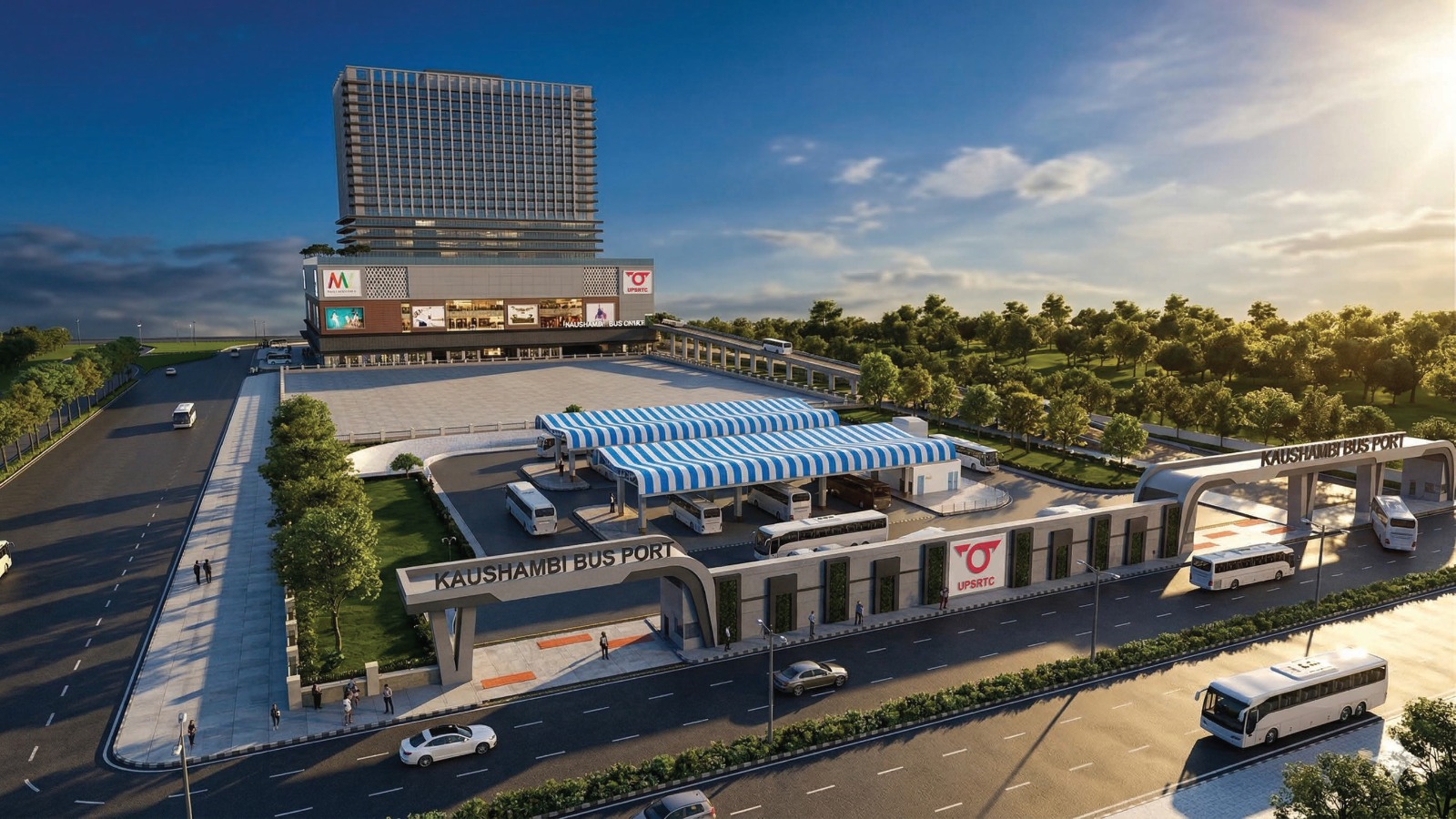
The Kaushambi-Anand Vihar corridor is one of the most naturally high-footfall zones in the entire NCR. This isn't manufactured footfall — it's the result of geography. Anand Vihar Railway Station, the Anand Vihar ISBT, the Delhi Metro interchange, and now the RRTS station are all within a kilometre radius.
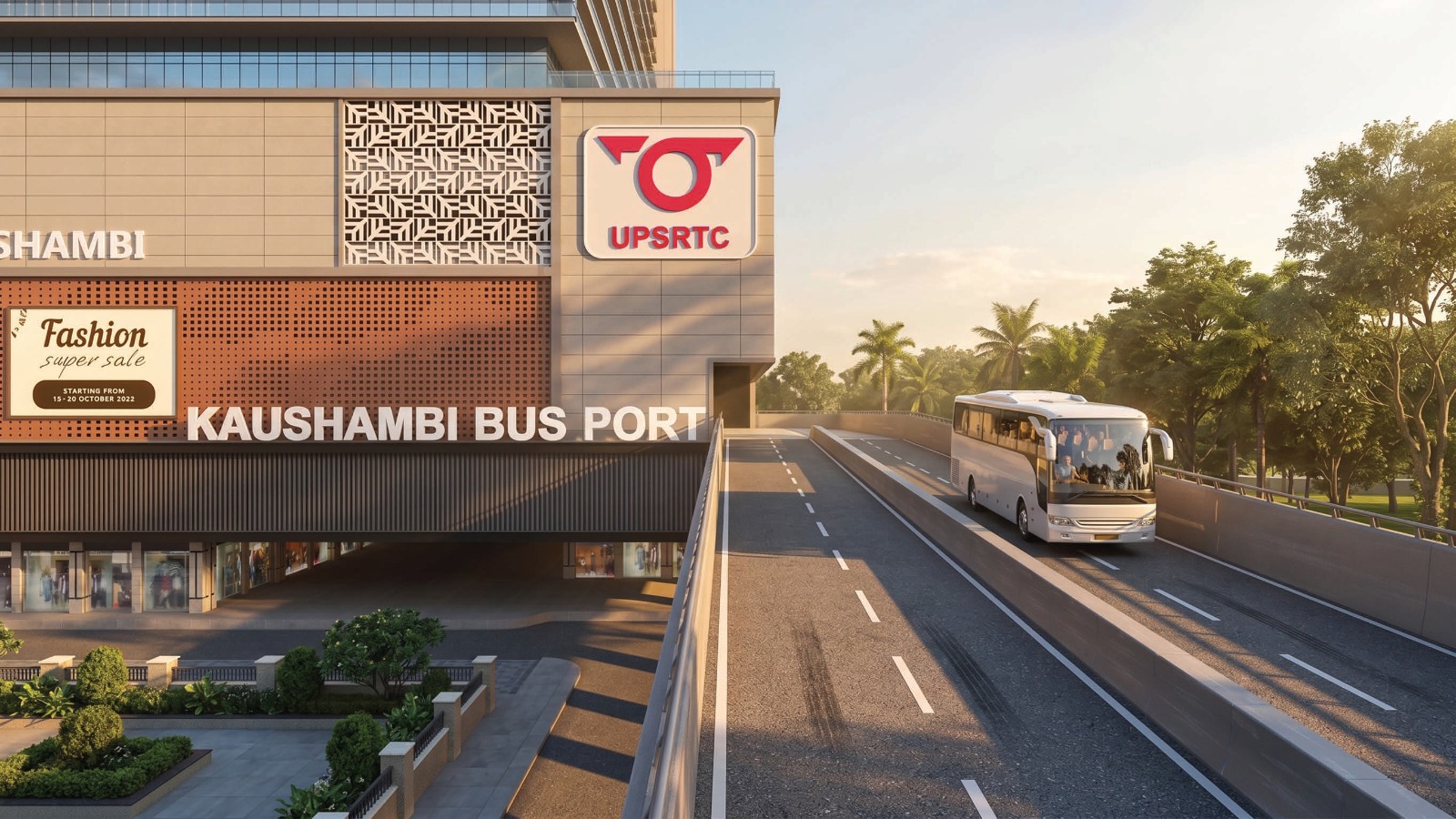
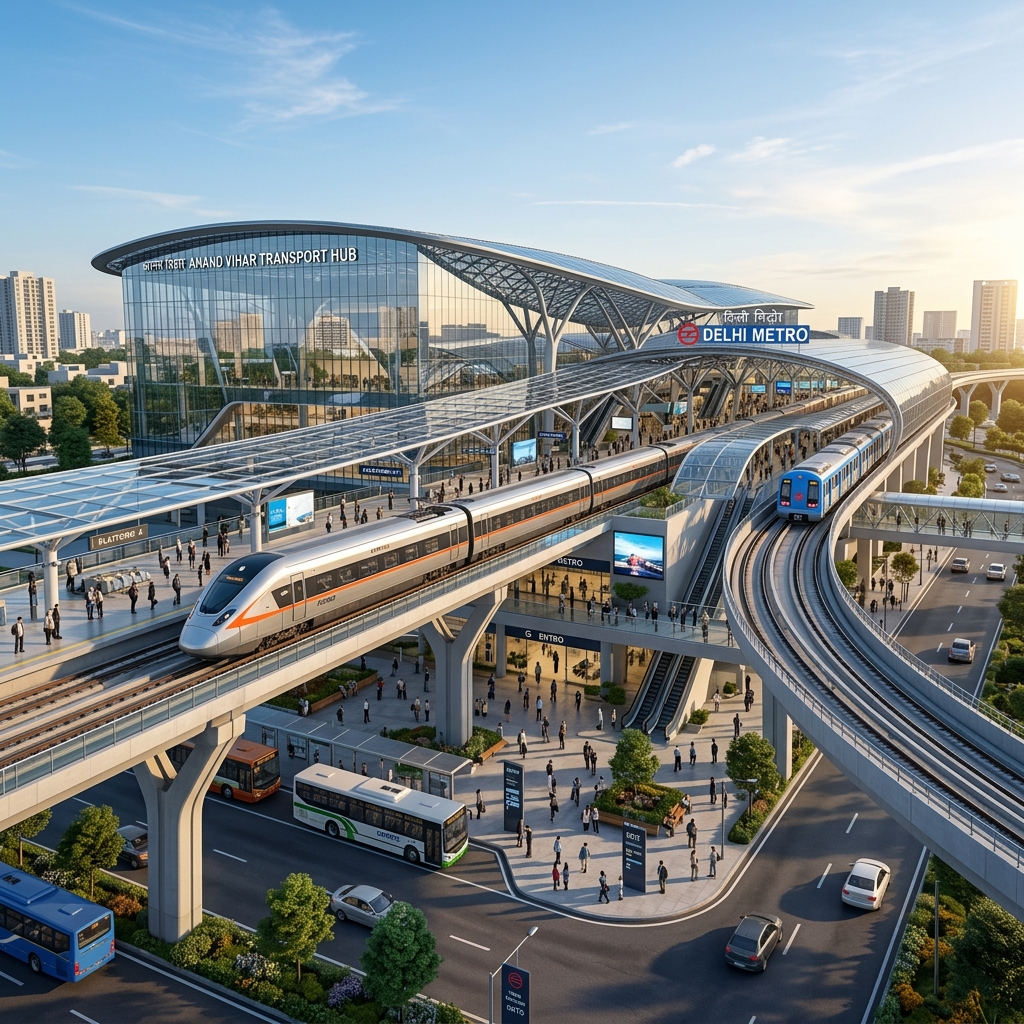
Watch: Omaxe Kaushambi — why this location commands attention for commercial real estate investors.
Office Spaces and Hotel Suites: What's Available
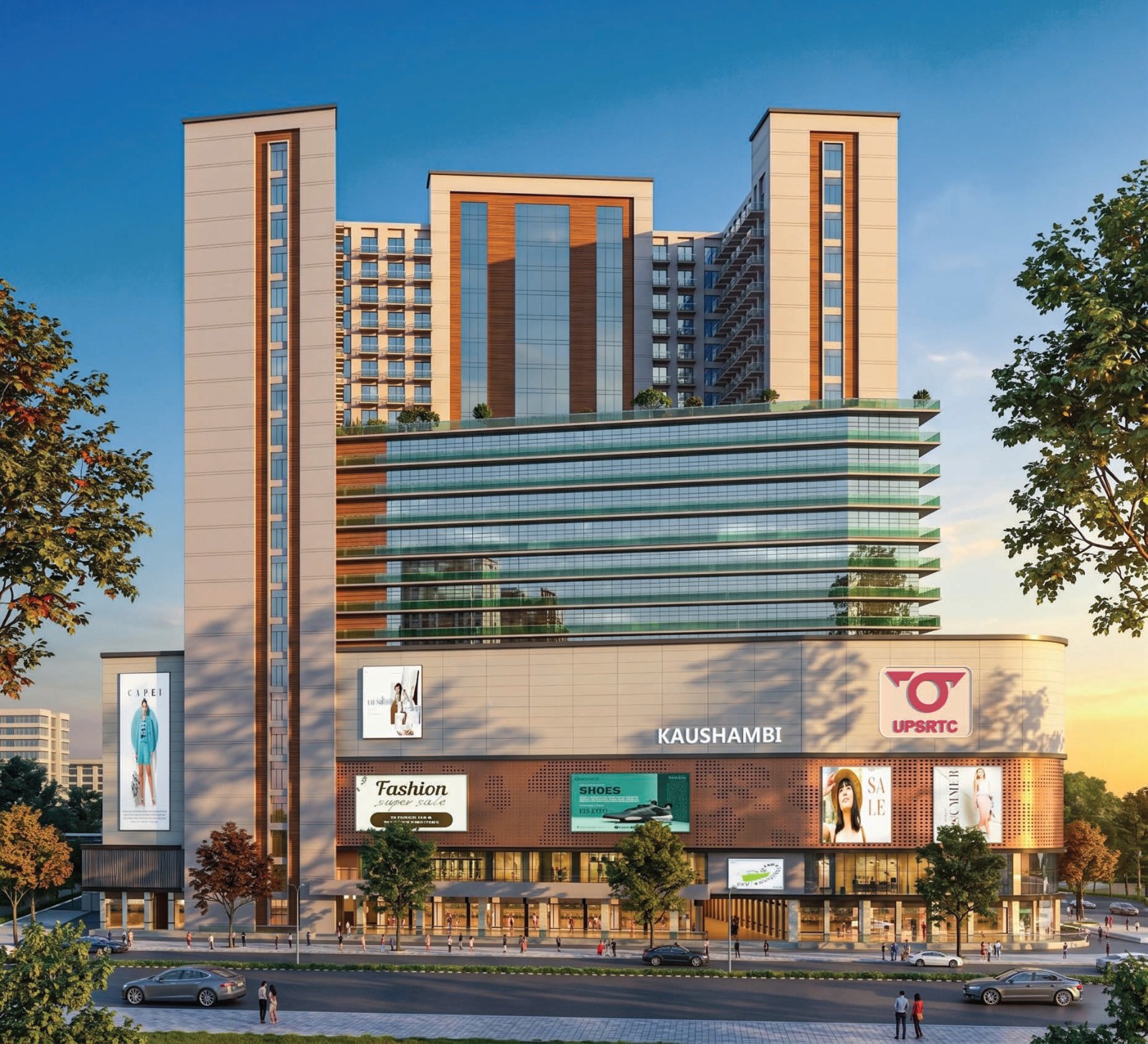
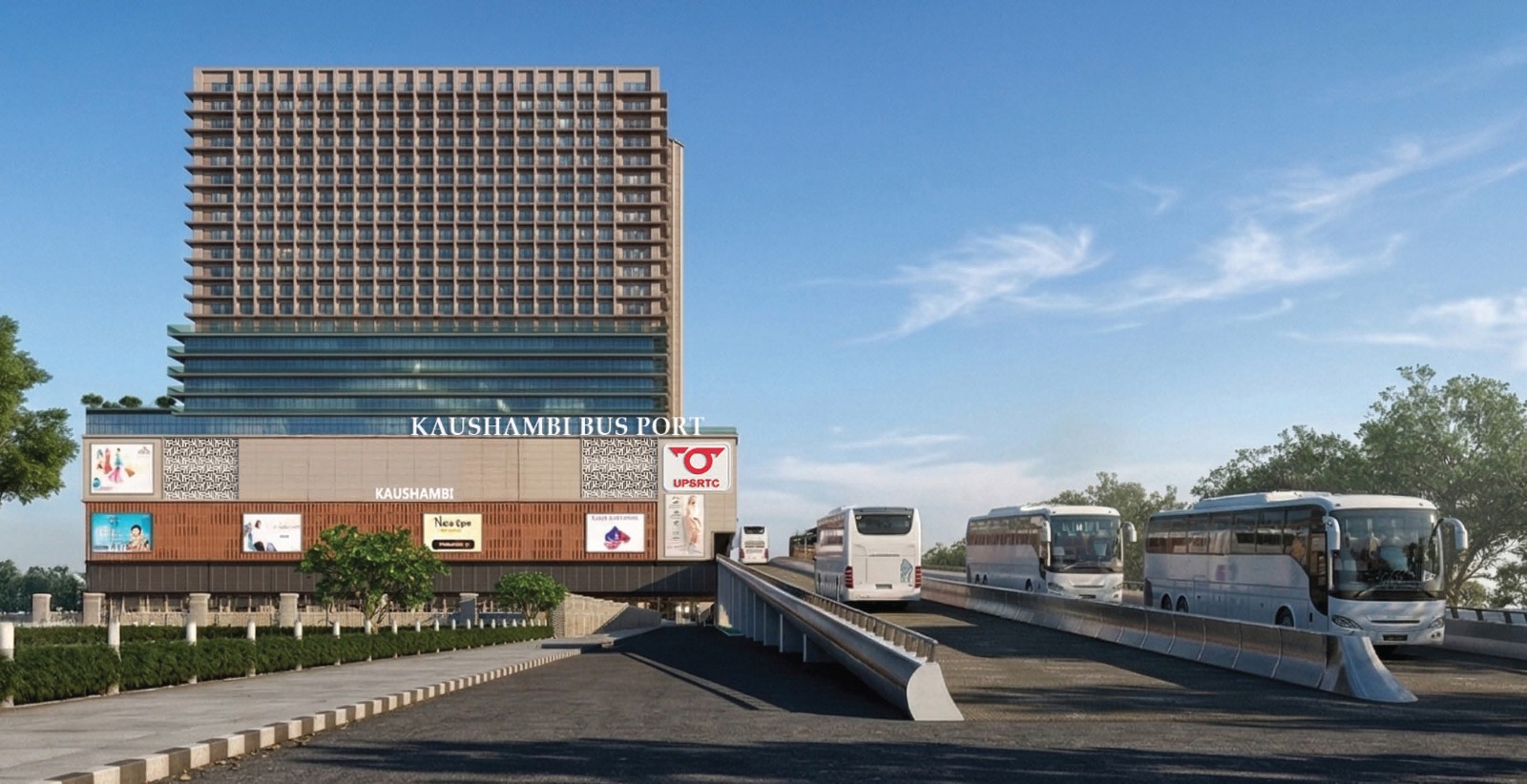
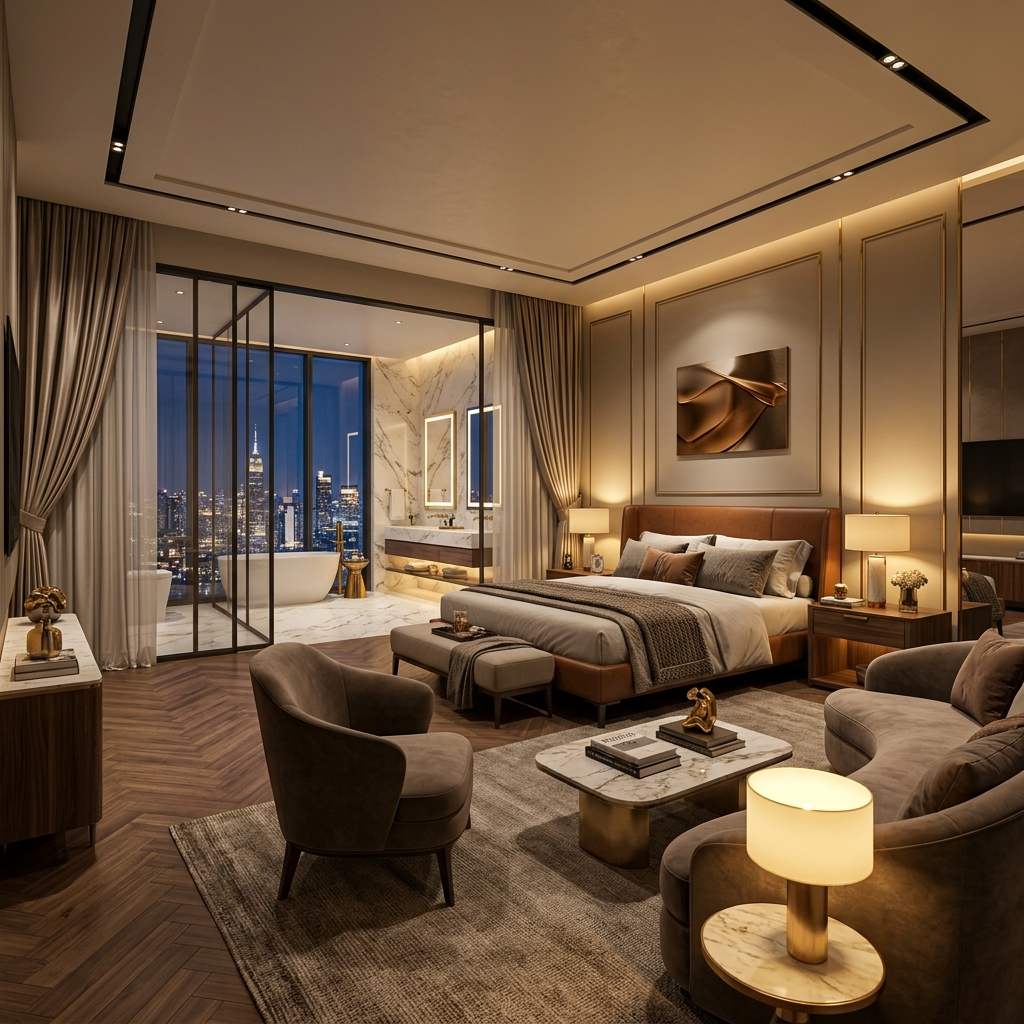
The project is structured as a vertical mixed-use development. Office spaces occupy the middle floors, hotel suites the upper floors, and retail and food court the lower levels — all sitting above the functioning bus terminal at the base.

What This Means If You're Considering Booking
None of this is a reason to write the project off outright — footfall-driven, transit-linked commercial real estate is a genuinely interesting category, and Omaxe/BeTogether landing a ₹2,700 crore multi-city UPSRTC mandate says something real about their standing with the state government. But "PPP project" isn't a stamp of safety by itself. Before you commit even the refundable EOI, get four things confirmed in writing:
- The actual government counterparty
- The exact concession duration
- Current construction status given the reported stall
- What happens to your unit rights if the concession is ever revised
For the pricing detail, unit cost breakdown, and payment plan specifics, read: Omaxe Kaushambi Bus Stand Price List 2026 — Office Space & Hotel Suites Compared.
For complete project details and advisory: Omaxe Kaushambi Bus Stand project page.
We'll pull the concession agreement details and current project status before you book anything. That's a conversation worth having before the ₹2 Lac, not after.
FAQs
Is this project a partnership with GDA or UPSRTC?
The actual government counterparty is UPSRTC (Uttar Pradesh State Road Transport Corporation), which owns the terminal land. Some marketing material incorrectly references GDA (Ghaziabad Development Authority), a separate planning body.
Who is the developer — Omaxe or BeTogether?
BeTogether, a dedicated PPP brand under the Omaxe Group, holds the modernisation contract awarded by UPSRTC in March 2025 across six bus terminals including Kaushambi.
How long is the concession period for this project?
The original 2021 tender for this batch of terminals specified a 60-year concession. Some marketing pages claim 90 years, which doesn't match that original term — get the specific concession duration confirmed in writing.
Why is this project exempt from RERA?
PPP developments on government-owned land with a state transport corporation as counterparty typically fall outside standard RERA jurisdiction, since the arrangement is structured as a concession rather than a conventional real estate sale.
Is the Kaushambi terminal project currently on schedule?
Media reports from November 2025 indicated the project had stalled due to a lack of operational space at the live bus terminal site. Buyers should confirm current status directly before booking.
Frequently Asked Questions
The actual government counterparty is UPSRTC (Uttar Pradesh State Road Transport Corporation), which owns the terminal land. Some marketing material incorrectly references GDA (Ghaziabad Development Authority), a separate planning body.
BeTogether, a dedicated PPP brand under the Omaxe Group, holds the modernisation contract awarded by UPSRTC in March 2025 across six bus terminals including Kaushambi.
The original 2021 tender for this batch of terminals specified a 60-year concession. Some marketing pages claim 90 years, which doesn't match that original term — get the specific concession duration confirmed in writing.
PPP developments on government-owned land with a state transport corporation as counterparty typically fall outside standard RERA jurisdiction, since the arrangement is structured as a concession rather than a conventional real estate sale.
Media reports from November 2025 indicated the project had stalled due to a lack of operational space at the live bus terminal site. Buyers should confirm current status directly before booking.
The project offers office spaces (from 400 sq ft), retail units, food court spaces, and hotel suites — all in a vertical mixed-use format above the functioning UPSRTC bus terminal.
The project sits directly adjacent to the UPSRTC Kaushambi bus terminal, within walking distance of Anand Vihar Railway Station, Delhi Metro, and RRTS — one of the highest natural footfall corridors in NCR.